


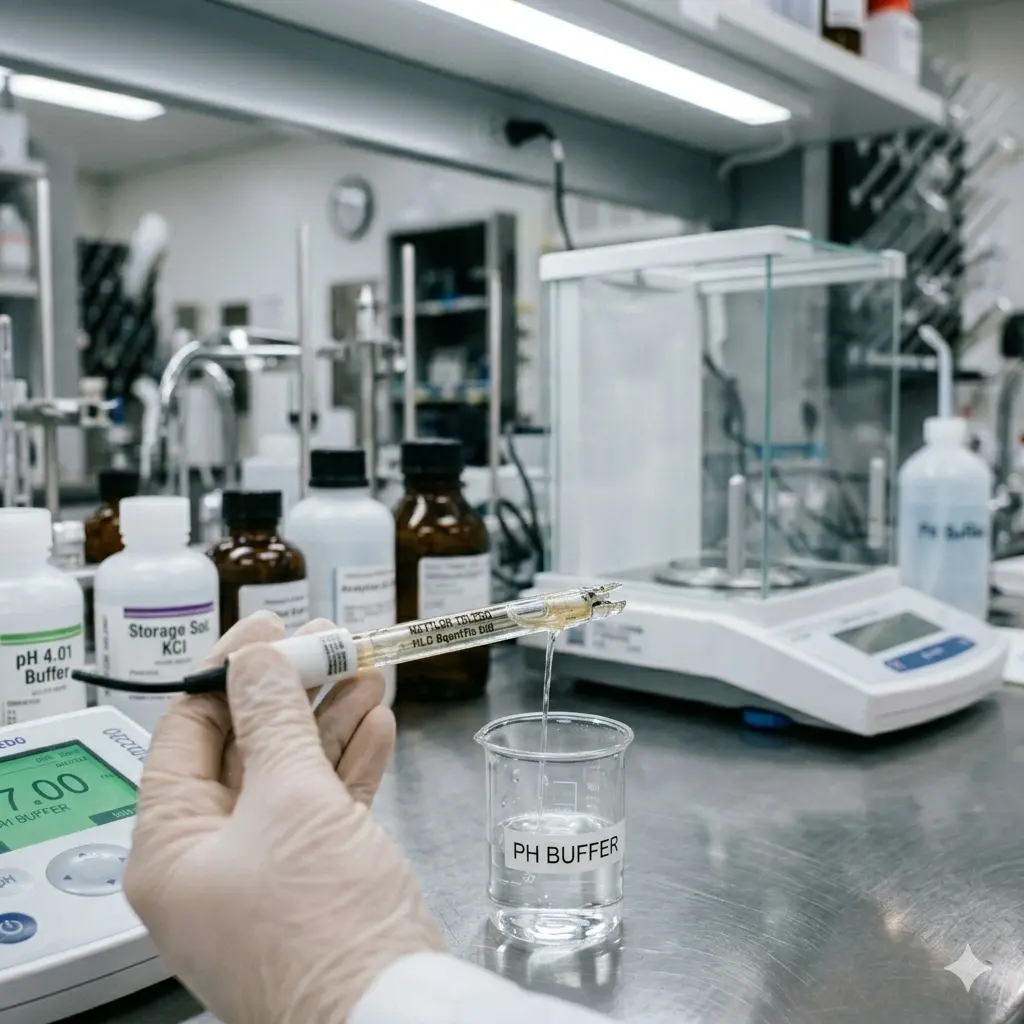

Discover why the quality of the pharmaceutical product is the foundation of patient safety, effective treatment, and the long-term success of medical manufacturers.
Pharmaceutical companies are a cornerstone of modern medicine. They serve a vital ecosystem that includes manufacturers, the physicians who prescribe treatments, and—most importantly—the patients who rely on them. Having existed for decades, the pharmaceutical industry remains a key pillar of global healthcare, but its success rests entirely on one factor: uncompromising standards.
Why Quality is the Lifeblood of Healthcare
In medicine, quality is not just a preference; it is a necessity. The quality of the pharmaceutical products being manufactured directly dictates their therapeutic success in preventing and treating medical conditions. Beyond biology, these products impact a user’s daily life and social well-being.
Consider a patient living with epilepsy. Access to high-quality anti-convulsant medication doesn’t just prevent seizures; it restores their dignity and social confidence, allowing them to navigate public spaces without the fear of a spontaneous medical emergency.
Guaranteeing a Better Prognosis
A healthy society depends on the reliability of its medicine. Healthcare providers demand excellence because quality healthcare is impossible to achieve with sub-standard products.
When a physician selects a treatment, a positive prognosis is only guaranteed when high-quality products are used. For instance, an antihypertensive of the highest caliber ensures the effective, predictable control of blood pressure, whereas a lower-quality alternative could lead to dangerous fluctuations in patient health.
Quality as a “Make or Break” Factor for Success
For pharmaceutical companies, the quality of the pharmaceutical output is the primary driver of market success. This success begins with the sourcing of the highest-grade raw materials. When premium ingredients are used, the resulting medication yields the consistent results that both doctors and patients expect.
Once a prescriber sees a product’s efficiency backed by consistent clinical results, they are more likely to make that product a routine part of their practice. In this way, quality creates a virtuous cycle of trust and reliability.
Investing in Excellence: From Research to Results
Achieving a superior product requires significant investment. From state-of-the-art machinery to the recruitment of elite technical staff and researchers, there can be no shortcuts.
By employing “quality seekers” at every stage of the production process—from the initial research phase to the final packaging—companies ensure that no compromise is made. This holistic approach to manufacturing ensures that the final quality of the pharmaceutical drug meets the ultimate goal of any well-meaning company: the production of a truly effective, life-saving medication.
Frequently Asked Questions (FAQ)
1. Why is quality so important in the pharmaceutical industry? Quality ensures that medications are safe, effective, and consistent. In pharmaceuticals, even a minor deviation in quality can lead to treatment failure or harm to the patient.
2. How does the quality of the pharmaceutical product affect a patient’s daily life? High-quality drugs provide predictable results, allowing patients with chronic conditions (like epilepsy or hypertension) to manage their symptoms reliably and maintain their social and professional lives.
3. What role do raw materials play in drug quality? The final product is only as good as its components. Using high-grade raw materials ensures that the active ingredients perform as intended without dangerous impurities.
4. Why do doctors prefer certain pharmaceutical brands over others? Physicians tend to stick to products that have a proven track record of quality and efficiency. When a drug consistently produces a good prognosis, it becomes a trusted tool for the prescriber.
5. Can sub-standard pharmaceutical products impact society? Yes. Sub-standard products lead to poor health outcomes, increased hospitalizations, and a general loss of trust in the healthcare system.
6. Is a higher investment necessary for better drug quality? Yes. Achieving high quality requires advanced technology, rigorous testing, and highly skilled scientists, all of which require significant financial investment.
7. What is the “ultimate goal” of a pharmaceutical company? The ultimate goal is to produce an effective drug that improves the patient’s health and provides a reliable therapeutic benefit.
8. How does quality control benefit the pharmaceutical manufacturer? Beyond helping patients, high-quality standards protect a company’s reputation, ensure regulatory compliance, and lead to long-term financial success through brand loyalty.
9. What is the link between quality and a patient’s prognosis? A good prognosis—the likely course of a disease—is much more certain when high-quality medications are used, as they deliver the exact dosage and efficacy required for treatment.
10. How do pharmaceutical companies ensure there is no compromise in the production process? They hire specialized technical staff and researchers who act as “quality seekers,” monitoring every step from raw material sourcing to the final distribution of the drug.