

-
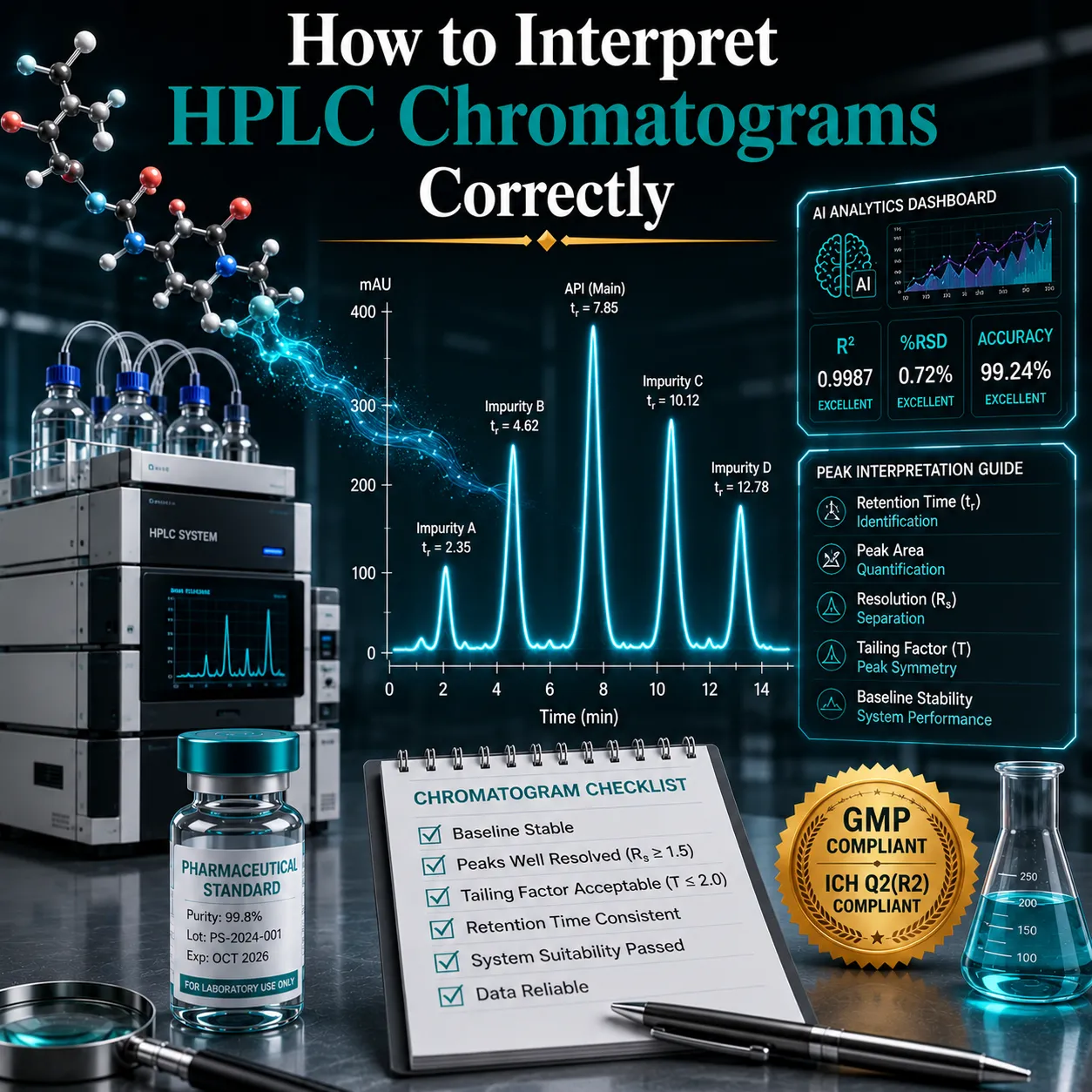
How to Interpret HPLC Chromatograms Correctly
Learn how to interpret HPLC chromatograms correctly, including retention time, peak area, resolution, tailing, system suitability, and GMP insights. Definition…
-
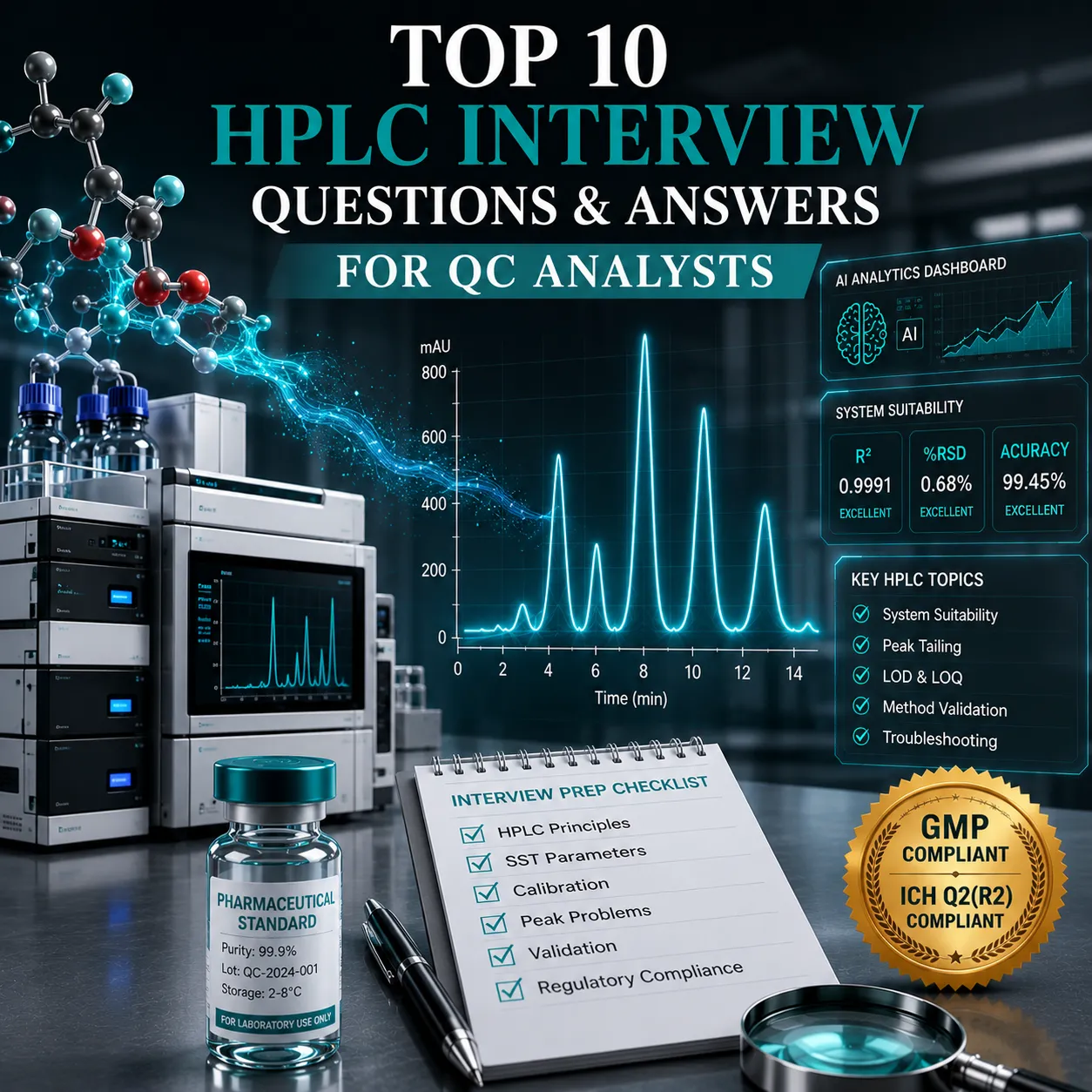
Top 10 HPLC Interview Questions and Answers for QC Analysts
Prepare for pharmaceutical QC interviews with the top 10 HPLC interview questions and answers covering SST, validation, troubleshooting, LOD, LOQ,…
-
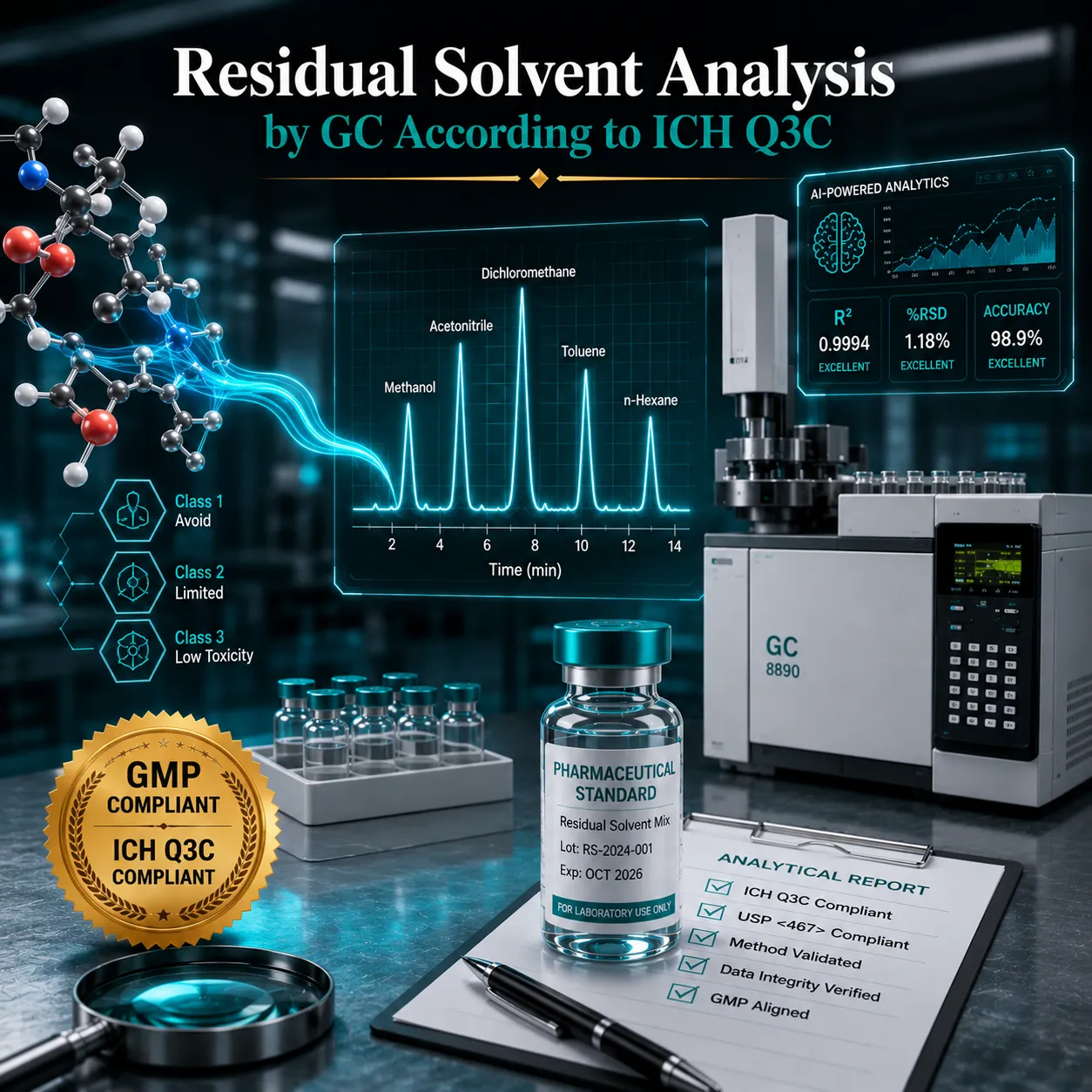
Residual Solvent Analysis by GC According to ICH Q3C
Learn residual solvent analysis by gas chromatography per ICH Q3C and USP <467>, including solvent limits, HS-GC methods, validation, and…
-
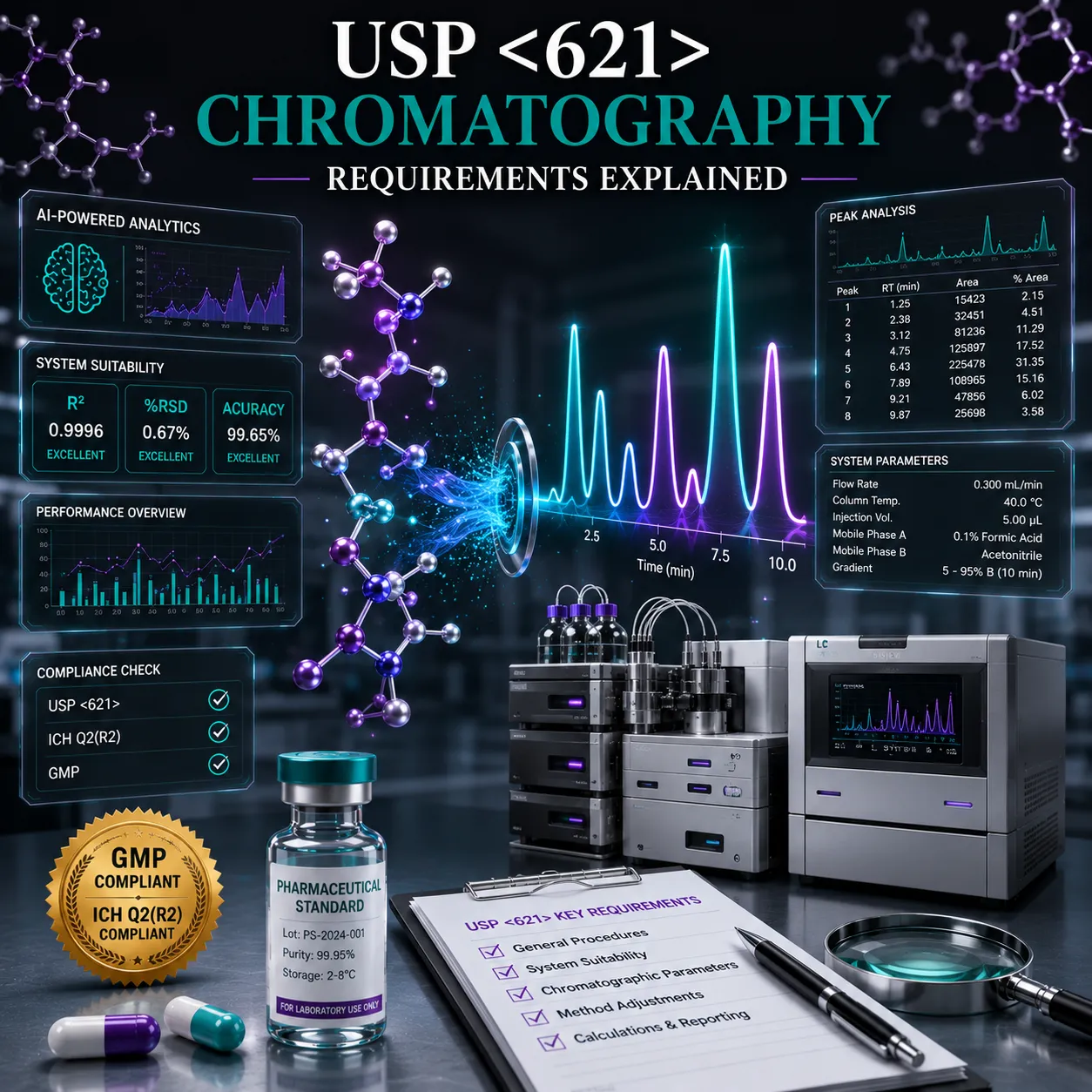
USP <621> Chromatography Requirements Explained
Learn USP <621> chromatography requirements, system suitability, method adjustments, column changes, and GMP compliance for pharmaceutical analysis. Definition USP <621>…
-

Quality Risk Management in Analytical Method Validation
Learn how Quality Risk Management (QRM) improves analytical method validation, supports ICH Q9, AQbD, compliance, and reliable laboratory results. Definition…
-
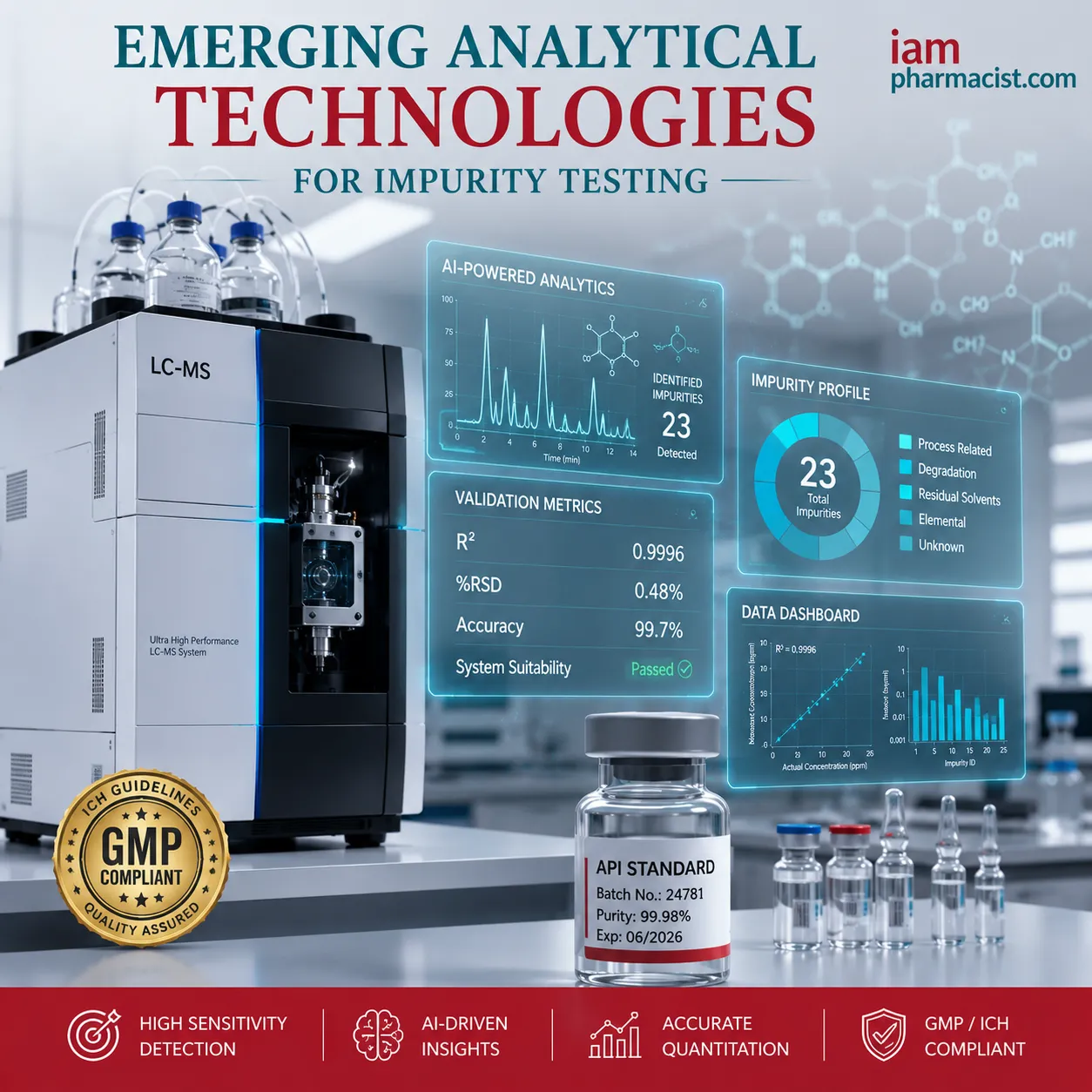
Emerging Analytical Technologies for Impurity Testing
Explore emerging analytical technologies for pharmaceutical impurity testing, including HRMS, PAT, AI, automation, and GMP compliance. Definition Emerging analytical technologies…
-

Digital Data Integrity Systems for Pharma Compliance
Learn how digital data integrity systems improve pharmaceutical laboratory compliance, ALCOA+, GMP adherence, audit readiness, and data security. Definition Digital…
-
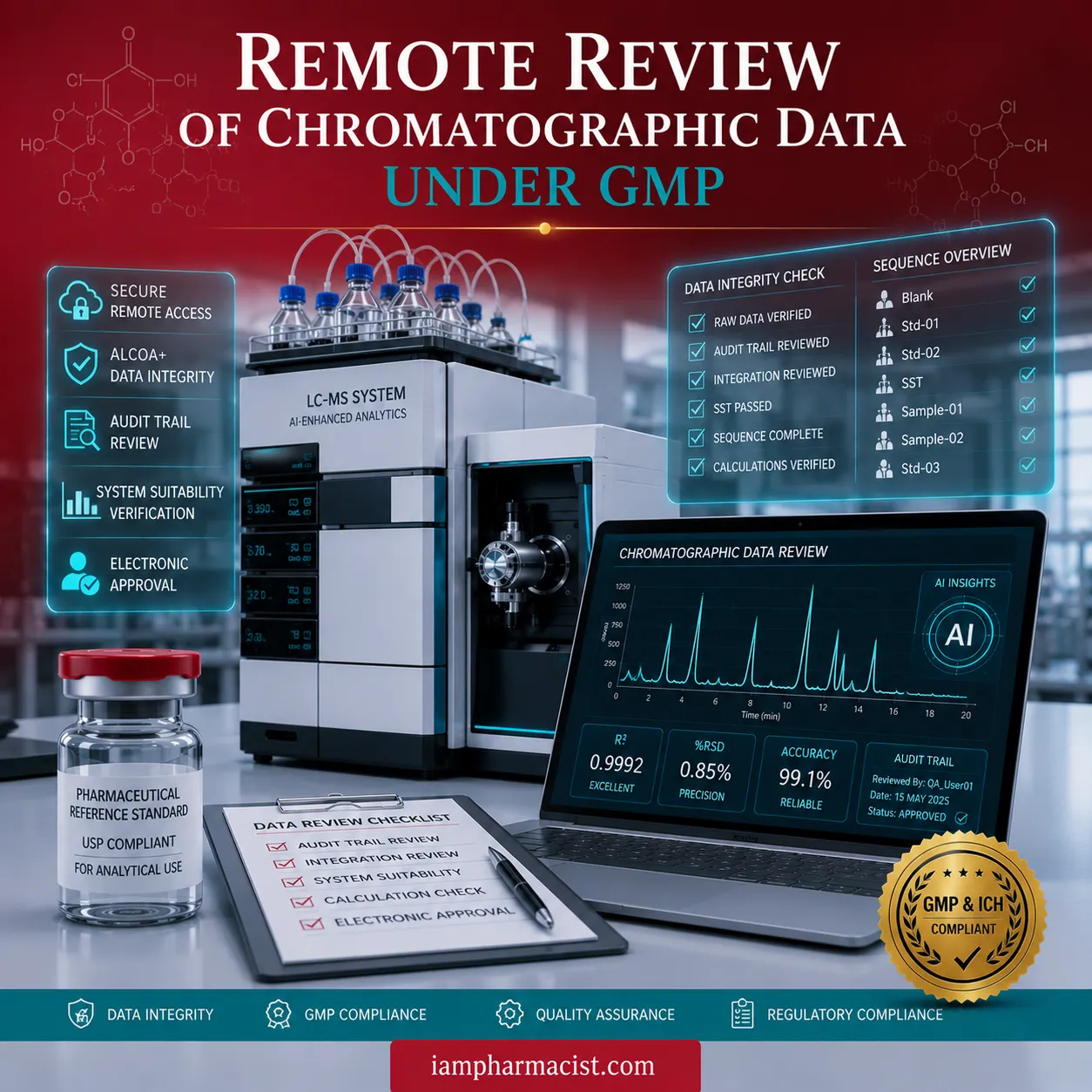
Remote Review of Chromatographic Data Under GMP
Learn GMP requirements for remote review of chromatographic data, including audit trails, ALCOA+, CDS validation, data integrity, and FDA compliance.…
-
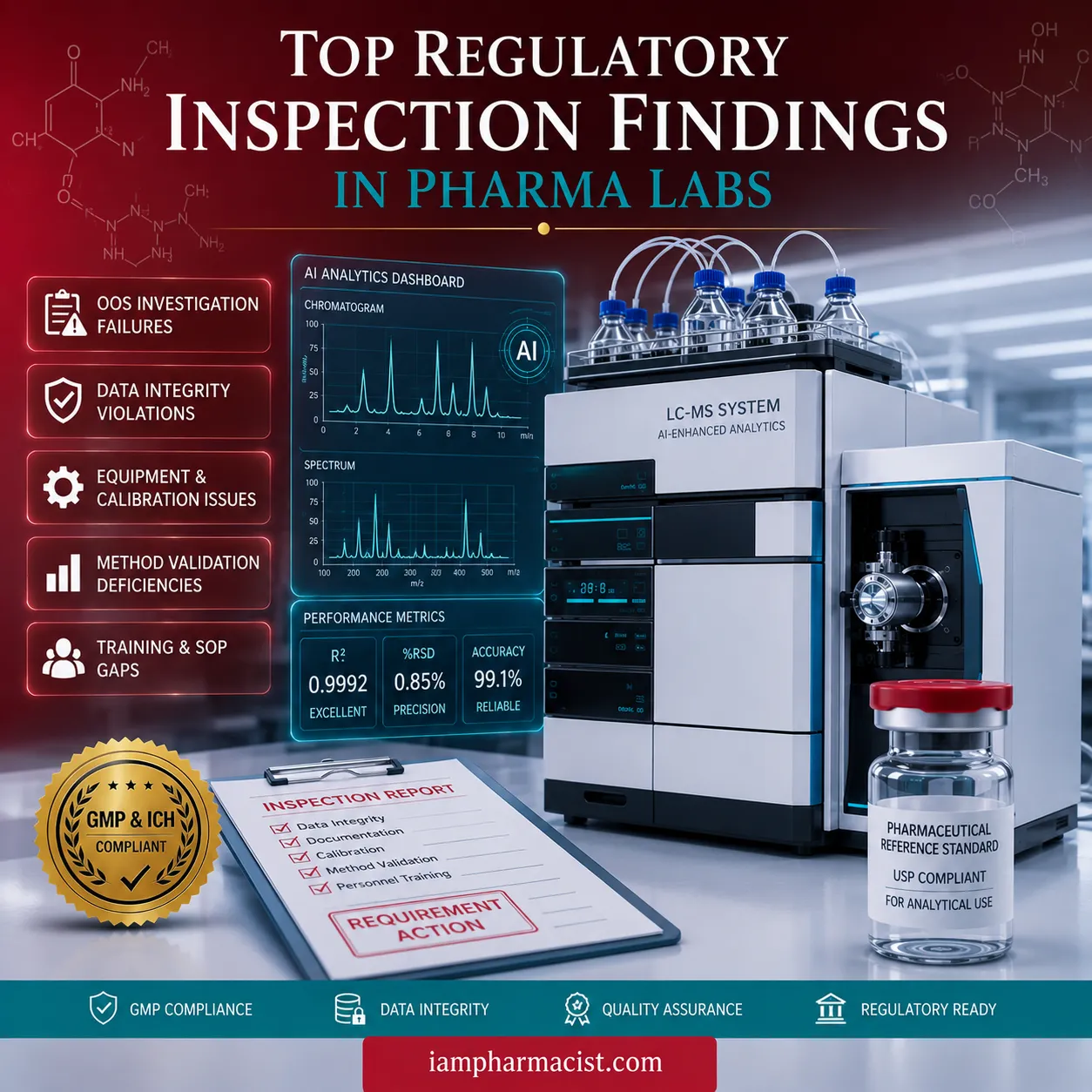
Top Regulatory Inspection Findings in Pharma Labs
Discover the most common regulatory inspection findings in pharmaceutical testing laboratories and learn GMP strategies to prevent FDA and WHO…
-
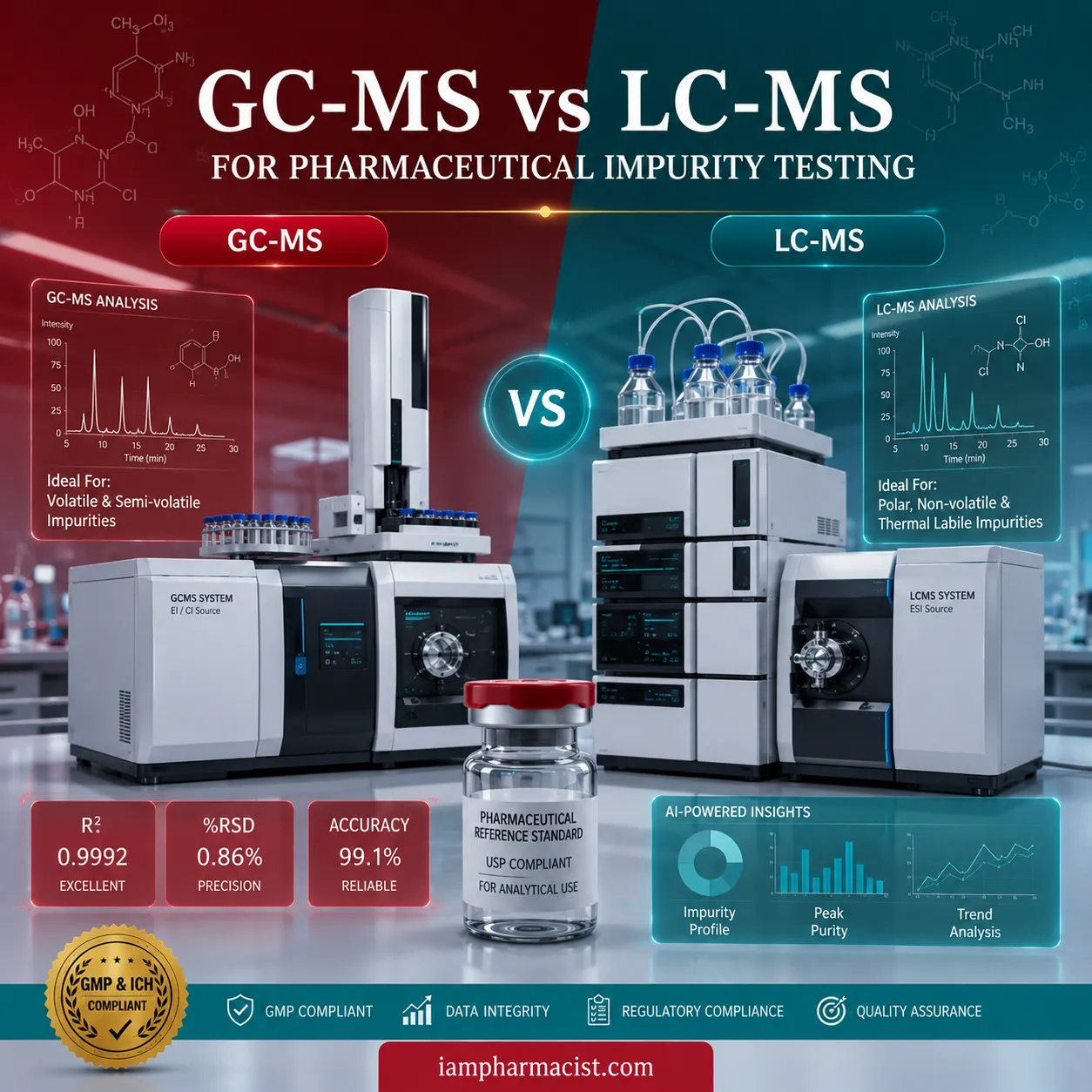
GC-MS vs LC-MS for Pharmaceutical Impurity Testing
Compare GC-MS vs LC-MS for pharmaceutical impurity testing. Learn applications, regulatory requirements, advantages, limitations, and method selection. GC-MS and LC-MS…
